This guide offers calm, age-aware support for parents and caregivers across Oakland and the East Bay who are talking to children about loss and supporting them through it.
If you are trying to support a child after a loss, it is normal to feel unsure where to start, especially while you are grieving too. Many adults worry about finding the right words, but children often respond best to simple, honest conversations and the reassurance of a caring presence. This guide walks through how children understand death at different ages, how to talk with them about it, how to support them day to day and where to turn when extra support would help.
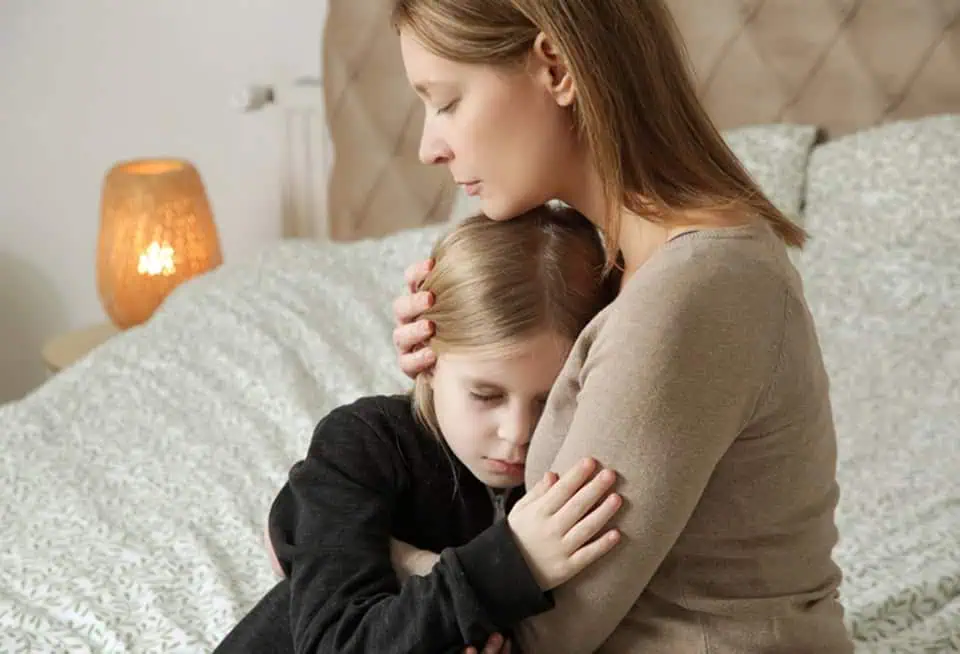
A child’s age shapes how much they grasp about death and how their grief shows up. These are general guides, not rules, since every child processes loss in their own way and on their own timeline.
Babies sense change; preschoolers may expect a return. Comfort, routine and gentle reassurance are the most powerful tools at this age.
They understand death is permanent and may ask hard questions. Grief can show up as behavior changes rather than tears.
Teens grieve fully but may withdraw or mask it. Offer openings to talk and watch for withdrawal that does not ease.

Explaining death to a child is one of the harder tasks a caregiver faces after a loss. No matter the child’s age, the most important step is to use plain, concrete words. Phrases like “went to sleep,” “passed away” or “we lost them” can confuse or frighten young children. Using words like “died” and “death” is kinder than it feels.
You do not need to have every answer. It is fine to say, “I don’t know.” Encourage honesty at a level the child can hold: short, true answers that leave room for questions. Children who see the adults around them grieve learn that sadness is normal and that feelings can be shared safely. Invite questions and expect them to repeat the same ones over days or weeks. In families where faith is important, you can fold in your own beliefs about what happens after death. For a practical starting point, the first steps after a loss covers what to do in the hours and days ahead.
Not sure how to start the conversation? Our team in Oakland can help you find the right words.
Everyday support matters as much as any single conversation. Familiar routines, regular mealtimes, school schedules and bedtime rituals give a grieving child a sense of safety when so much has changed. Reassure them often that they are loved, that their needs will be met and that the adults caring for them will be there.
Children often express grief through play, artwork, storytelling and brief waves of emotion rather than long conversations. Help them name their feelings, and allow tears, anger and questions without judgment. Encourage them to talk about their loved one and keep memories present through small acts of remembrance, such as displaying a photo, creating a drawing or sharing favorite stories together.
Whether to involve a child in a memorial service is a personal family choice. There is no single right answer. Children who are prepared for what to expect often feel comforted by being included. Describe what the space will be like, who will be there and how long it will last. Offer a small, optional role if they want one. Having a trusted adult available to leave with them means the parent can stay present. If you are unsure, our guide on what to expect at a service can help.
Watch for signs that a child may be struggling: lasting sleep or appetite changes, ongoing school problems, withdrawal from friends, regression in younger children or persistent guilt or fear that does not ease over time. If you notice any of these, the support options in the section below can help.


School is often one of the first places grief becomes visible. Let your child’s teacher, counselor or school administrator know about the loss as soon as possible so they can watch for changes and offer quiet support. A grieving student may have difficulty concentrating, feel unusually tired or be more irritable than usual. Ask the school what flexibility may be available with assignments, attendance or expectations during the hardest weeks. For teachers and staff: keep routines predictable, acknowledge the loss simply rather than avoiding it and provide a trusted adult or private space when the child needs a moment. When home and school work together, children often feel more secure and supported.
Seeking added support for a grieving child is a caring choice. Some children and families benefit from more help than a guide can offer. In the East Bay, options such as counseling, in-person grief support groups and ongoing aftercare are available for families looking for child grief support in the East Bay. Our team in Oakland can help you find what feels right and connect you with the next supportive step.

Explaining death to a child can be done in a loving, caring way. Use simple language like “died” and avoid confusing euphemisms. Keep the explanation short, honest and age-appropriate. Invite questions and do not be afraid to say “I don’t know.” Your steady presence matters as much as the words.
Be practical and honest. Acknowledge the child’s fear and assure them you expect to be around for a long time. Remind them that many people love them and they will be cared for, without making promises you cannot keep. Keep your answer calm and brief.
Be alert for signs that persist over time: sleep or appetite changes, school struggles, withdrawal, regression or ongoing guilt. Reaching out for extra help is a normal and caring step. Our Oakland team can help connect families to local support.
No. Even babies and toddlers sense change and absence, and grieve in their own way. Grief often looks different at each age. A comforting presence and a consistent routine are the most important gifts adults can give the youngest children.
This is a personal family choice with no wrong answer. Children who are prepared for what to expect often do well and may feel comforted by being included. A trusted adult can step out with them if needed. Confirm what feels right for your child and your family.
Supporting a grieving child is hard, and you do not have to do it alone. Our team in Oakland can help your family find the right support, gently and at a pace that feels right to you.
We’re here for you during this difficult time.
"*" indicates required fields

 (510) 379-5200